
🔍 Why Vessel Choice Defines Your Brand
The vessel is more than packaging—it’s part of the product identity. From mass retail to luxury gifting, whether you use glass, ceramic, or tins communicates brand positioning, price point, and target audience. Selecting the right vessel type ensures candles not only perform well but also resonate with your customers.
🥂 Glass Candle Jars
Glass remains the industry’s most popular choice for its clarity and versatility.
-
Advantages:
-
Transparency showcases wax color and decorations.
-
Available in clear, frosted, tinted, or electroplated finishes.
-
Cost-effective at scale with reliable supply chains.
-
-
Limitations:
-
Fragile—higher risk of breakage during shipping.
-
Requires more careful packaging and palletization.
-
-
Best Use Case: Mid-range to premium retail brands aiming for mass appeal.
For scalable options, buyers often source through Glass Candle Jar Manufacturer, ensuring consistent supply across large orders.
🏺 Ceramic Candle Jars
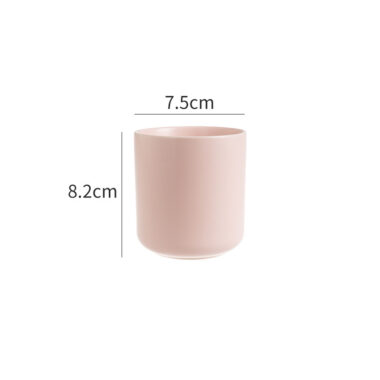
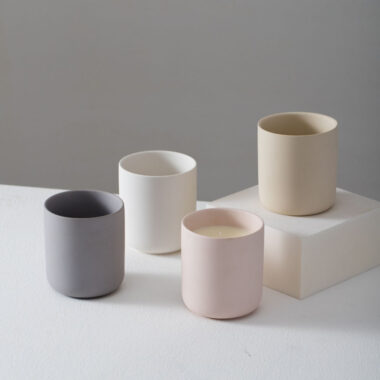
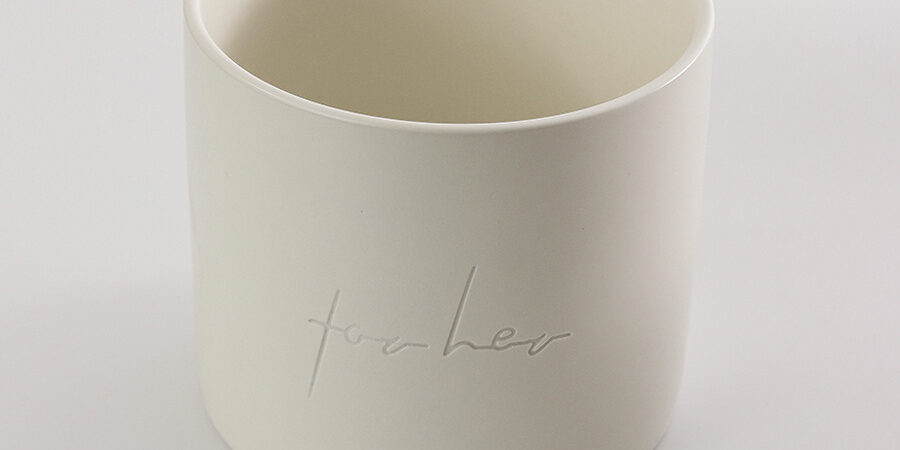
Ceramic jars project luxury and artisanal quality.
-
Advantages:
-
Heavy weight conveys premium value.
-
Can be glazed in matte, glossy, or hand-painted finishes.
-
Excellent heat retention for a long-lasting burn experience.
-
-
Limitations:
-
Higher MOQs due to mold and glaze requirements.
-
Shrinkage variation can affect lid fit and consistency.
-
Longer lead times than glass.
-
-
Best Use Case: Luxury candle lines, gift sets, and limited editions.
For artisanal aesthetics, brands collaborate with Ceramic Candle Jar Manufacturer, which supports a variety of glazes and custom designs.
🥫 Candle Tins
Tins are a lightweight, durable, and portable alternative to glass or ceramic.
-
Advantages:
-
Shatterproof—ideal for travel, subscriptions, and e-commerce.
-
Lower production costs compared to glass and ceramic.
-
Easy to decorate with printing and embossing.
-
-
Limitations:
-
Limited fragrance throw compared to thicker-walled vessels.
-
Perceived as less premium in luxury markets.
-
-
Best Use Case: Entry-level collections, promotional gifts, and online retail.
📊 Cost & MOQ Comparison
-
Glass: Most cost-effective; MOQs as low as 1,000–2,000 pcs.
-
Ceramic: Higher cost; MOQs typically 3,000–5,000 pcs.
-
Tins: Lowest cost; flexible MOQs, often under 1,000 pcs.
Brands often start with tins to test demand, scale into glass for retail, and expand into ceramics for premium positioning.
🌍 Regional Market Preferences
-
North America: Strong demand for glass, growing interest in ceramics for luxury gifting.
-
Europe: Eco-conscious buyers value ceramics and tins with recyclable packaging.
-
Asia-Pacific: Luxury consumers favor ceramics with metallic lids; mid-market still dominated by glass.
Understanding regional trends helps brands allocate vessel types strategically across different sales channels.
✅ Final Takeaway
There’s no “one-size-fits-all” vessel—your choice depends on brand positioning, target audience, and supply chain capability.
-
Glass = versatile and scalable.
-
Ceramic = luxury and artisanal.
-
Tins = practical and affordable.
By carefully aligning vessel type with your market strategy, you ensure candles not only burn beautifully but also communicate the right story to your customers.